


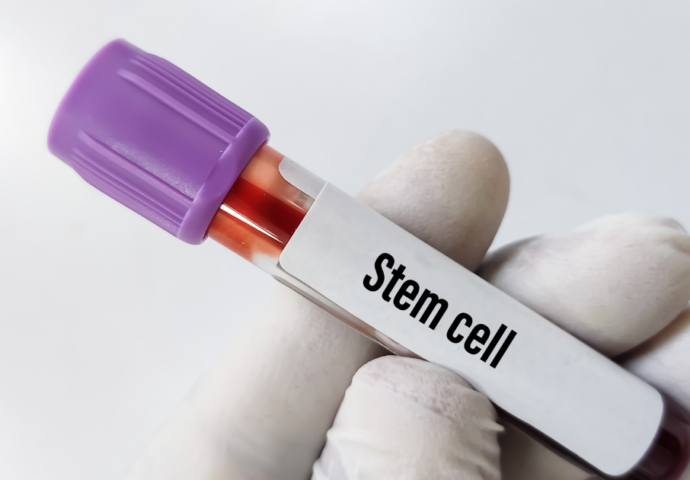
A major milestone has been reached as Japan has approved the world’s first stem-cell-based therapy for Parkinson’s disease. The innovation was developed by Sumitomo Pharma in collaboration with Dr. Jun Takahashi at Kyoto University. This treatment represents a new approach that could potentially restore lost brain cells in Parkinson’s.
Marketed under the brand name Amchepry, the cells start as adult cells from healthy donors which are then reprogrammed to become induced pluripotent stem (iPS) cells. IPS cells behave like embryonic stem cells, meaning they can develop into almost any type of cell in the body.
With Amchepry, researchers guide the iPS cells to become dopamine-producing cells. These cells are then surgically implanted into specific areas of a patient’s brain where dopamine neurons have been lost due to the disease.
Early Results and Approval
Early clinical testing showed encouraging results. Kyoto University conducted a trial in seven Parkinson’s patients from ages 50 to 69 that received between 5 million and 10 million cells implanted into both sides of the brain.
The research team reported that the cells survived without any serious safety concerns over the 2-year observation period in all patients. Four patients experienced improved symptoms.
These results led Japan’s health ministry to grant conditional approval of Amchepry for Parkinson’s. Because the approval of this novel and important therapy was made on more limited data than is standard, the therapy is “conditionally approved”. This means that the product is approved on the condition that the company will conduct post-marketing surveillance and other studies to monitor efficacy and safety.
“I hope this will bring relief to patients not only in Japan but around the world,” health minister Kenichiro Ueno stated at a press conference. “We will promptly carry out all necessary procedures to ensure it reaches all patients without fail.”
Japan has created a unique regulatory pathway designed to accelerate access to regenerative therapies. Under this system, treatment can receive conditional and limited-time approval once safety and early signs of efficacy are demonstrated even if large clinical trials are still ongoing.
This would be the first commercially available iPS cell therapy that is expected to roll out as early as mid-2026 in Japan.
Next Steps
Sumitomo Pharma will continue to collect trial results from a larger pool of people to demonstrate clear efficacy to receive full approval. This unique approach has expedited Japan’s advancements in regenerative medicine to become a global leader in translating stem-cell research into clinical treatments.
Japan’s approval marks a significant moment in neuroscience and regenerative medicine. If long-term studies confirm Amchepry’s effectiveness, stem-cell therapies like this could eventually transform how Parkinson’s is treated worldwide.
Source: