

Tears are a “window into a person’s brain,” lead researcher says.
Parkinson’s disease is the fastest-growing chronic neurological disorder in the world.
In a world-first study researchers at University of Auckland are looking whether a protein contained in tears could be a marker for early diagnosis.
Parkinson’s is a slow progressing disease, said Dr Victor Dieriks senior research Fellow at University of Auckland and the lead researcher for this study.
“By the time people actually show the symptoms, which is like the typical tremor, it’s been raging on in the brain for years, sometimes even decades. So, one of the biggest problems in Parkinson’s disease is identifying it early.”
Early diagnosis means treatment can begin before neurological damage has advanced, he says.
“By the time people show the characteristic tremor in their hands, or they start moving slowly or they have like this disruptive sleep disorder, all these symptoms, about 60 to 70 percent of the neurons in a certain area of the brain have died off.
“So, any treatment that you start will have to work with the remaining cells. The earlier it’s diagnosed the more cells there are to work with turn the tides for Parkinson’s,” he says.
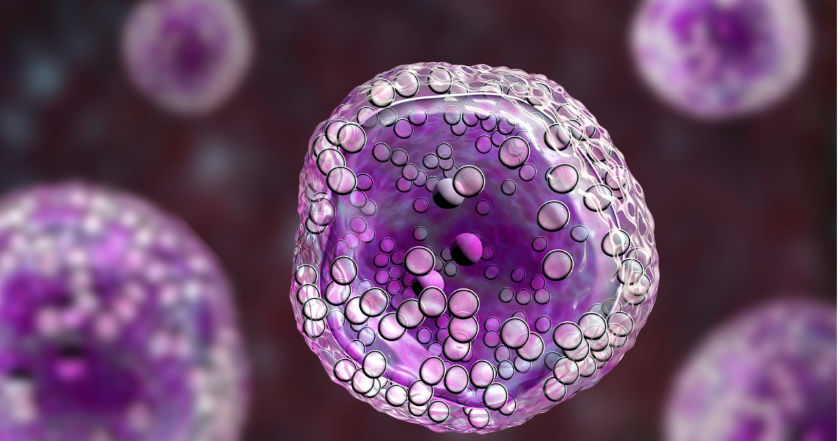
A protein, Alpha-synuclein, is involved in how neurons communicate with each other. In Parkinson’s patients, these clump together and spread throughout the brain.
“We know that where these clumps are, that’s where the brain is suffering and the neurons that are dying.”
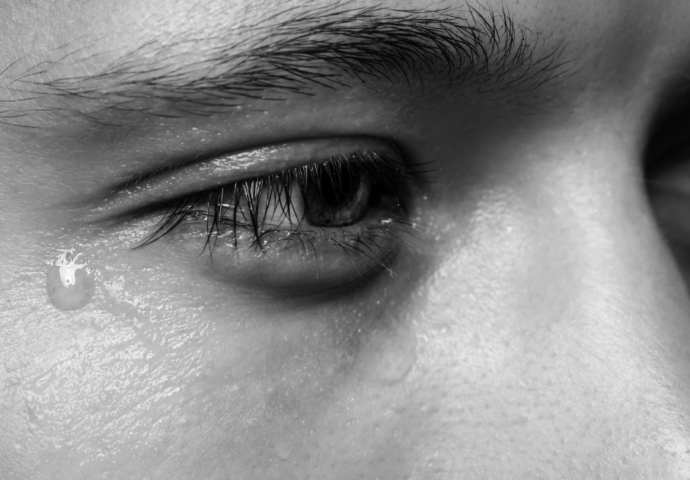
Tears are a “…window into a person’s brain,” he says.
“What we found out is that in Parkinson’s disease, this alpha-synuclein clumping is also in the tear liquid; in very small amounts, but it’s there.”
Now they know they can detect Alpha-synuclein clumps in the brain, the next step is to determine how good they are at detecting it and not detecting it in healthy people.
“And that’s basically the vital part to actually use this as a diagnostic test.”
At the moment Parkinson’s diagnosis is very clinical, he says.
“You basically go see a doctor, he makes you walk, makes you hold your hands, maybe looks at your writing.
“There’s no real definition, it’s basically excluding other diagnosis and basically once the doctor or the neurologist thinks that you have Parkinson’s, they will put you on medication, typically Sinemet, one of the drugs used in Parkinson’s disease and if you respond to that, then you basically have Parkinson’s.”