Sex, intimacy, and Parkinson’s

Healthy sleep and Parkinson’s
14th December 2021
Parkinson’s during the Festive Season
14th December 2021

Sex, intimacy, and Parkinson’s

Sex, intimacy, and Parkinson’s

Parkinson’s Life recently shared a series of four articles dealing with sex, intimacy, and Parkinson’s.

The articles were jointly written by Nurse Consultant Norna Moore from Tel Aviv Medical Center and sex therapist Gila Bronner from the Institute of Movement Disorders at Sheba Medical Center, also in Tel Aviv, Israel.

Intimacy, sexuality, and Parkinson’s

In the first part of the series, Gila and Orna discuss the importance of intimacy, and give a four-step, practical guide on ways to improve closeness in a relationship.

Intimacy, they explain, is an area that “frequently goes unnoticed and un-discussed”.

The two experts recommend spending quality time with your partner, ensuring you both have moments alone to relax, committing to intimate time without the pressure to move on to sex, and sexual time.

“Couples need these four elements, even if some time passes without realising all four of them. It is important to invest in intimacy in a relationship.”

Getting help

Part two of the series focuses on the significance of communicating with healthcare professionals about difficulties with intimacy, as many symptoms are common and have several solutions or forms of treatment.

Gila and Orna emphasise that people with Parkinson’s may not realise that their condition is the cause of their sexual dysfunction, which is why it is important to talk about any issues with medical professionals – and for healthcare professionals to encourage this discussion.

“A loving relationship includes encouragement of intimacy, sensuality, companionship, and friendship, as well as continued knowledge and understanding about the effects that one’s health conditions, medications, and treatment have on sexuality and functioning.”

The needs of caregivers

In part three, the experts summarise some of the issues that those caring for a partner with Parkinson’s face in relationships, including a lack of time for their own needs.

Gila and Orna share ways to ensure the wellbeing of both partners, such as respecting each other’s needs, having personal time away from one another, sleeping in separate beds if sleep is being disrupted, maintaining intimacy even if it’s not sexual, having strong communication and making small, thoughtful gestures that the other will appreciate.

“Spouses and care-partners frequently face contradictory roles,” they explain. “On one hand, as intimate partners, they may have their own needs for intimacy and sexual activity. On the other hand, they are required to function as caregivers who cope with the implications of a chronic progressive illness.”

Sex and young onset Parkinson’s

In the final part of the series, Gila and Orna discuss coping with disturbed sexual function – one of the most common non-motor symptoms in people with young onset Parkinson’s – and share the difficulties many face of sustaining a sex life due to lack of time and other priorities.

“Young people with Parkinson’s experience the disease differently. They are coping with its various symptoms while also being in the middle of life challenges.”

They say openness is crucial to sustaining a healthy sexual relationship. To tackle any issues, they advise seeking professional help when necessary, being honest with one another, and being open with children about the effects of Parkinson’s.

Orna Moore is a nurse consultant, working with families with neurodegenerative diseases. She works at the Department of Neurology, Tel Aviv Medical Center, Israel.

Gila Bronner is a sex therapist specialising in sexual rehabilitation. She is director of the Sex Therapy Service at the Sexual Medicine Center, Tel Aviv, and a sex therapist at the Institute of Movement Disorders, Sheba Medical Center, Israel.

Story first published in Parkinson’s Life

Image of brain

This complex brain network may explain many of Parkinson’s stranger symptoms

Parkinson's disease does more than cause tremor and trouble walking. It can also affect sleep, smell, digestion and even thinking. That may be because the disease disrupts communication in a […]
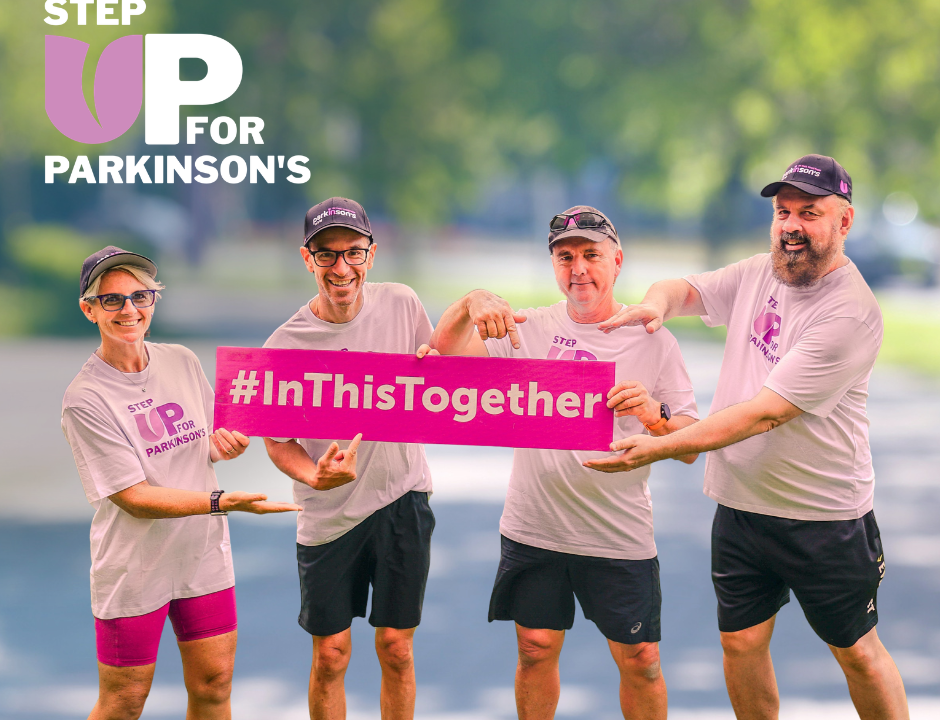
People holding a sign

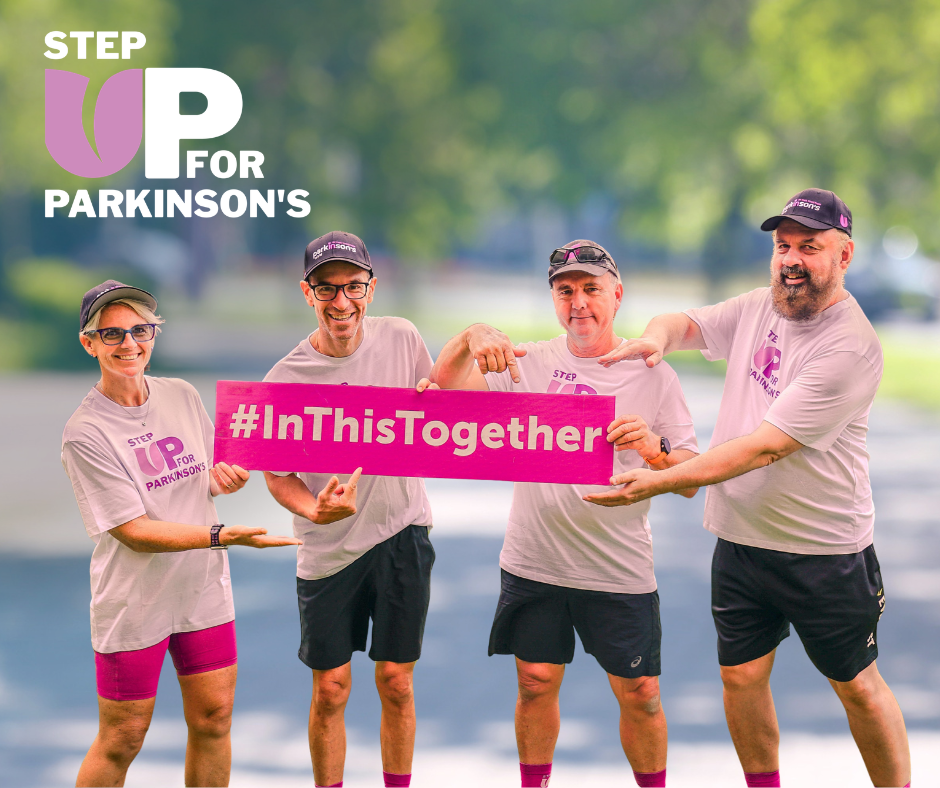
Step Up for Parkinson’s this May

We’re excited to announce registrations are now open for the fifth year of our fundraising campaign, Step Up for Parkinson’s - a fun, flexible way to get active while supporting […]
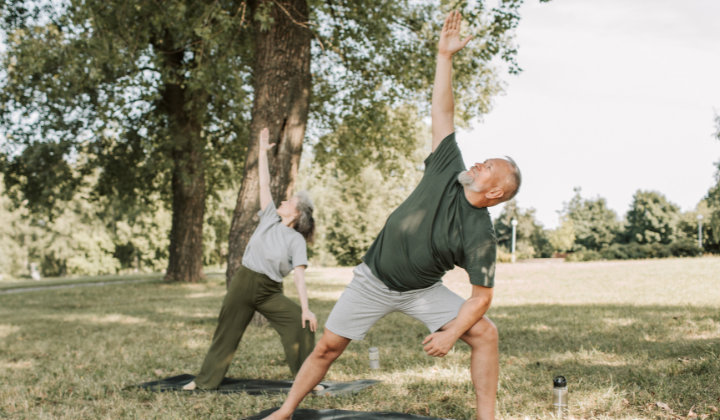
Couple doing yoga in the park

8 ways to get active with Parkinson’s

Physical activity and exercise can be just as important as your medication to help you take control and manage your symptoms. But sometimes you might not feel motivated to exercise. […]