
Excessive Daytime Sleepiness

Useful Resources on Driving Safely as we Age
28th April 2025
Life Would be a Lot Tougher Without Parkinson’s NSW
28th April 2025Excessive Daytime Sleepiness
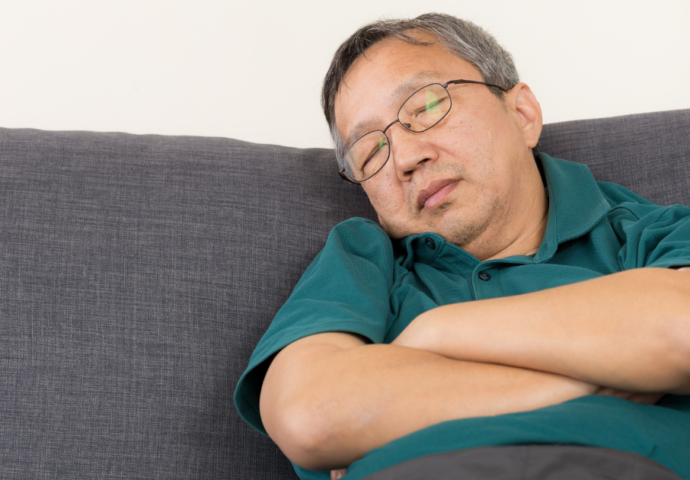
Excessive Daytime Sleepiness
Some Parkinson’s medications can cause excessive daytime sleepiness or sudden onset of sleep.
What causes excessive daytime sleepiness?
Excessive daytime sleepiness is a non-motor symptom of Parkinson’s, but researchers aren’t sure whether it’s part of how Parkinson’s progresses or if it’s caused by Parkinson’s medication.
Evidence suggests that it’s more common if you are taking Parkinson’s drugs, especially dopamine agonists. It can also be common in people taking levodopa. Amantadine, another Parkinson’s drug, can cause insomnia, which can cause tiredness the following day.
There are also other factors that can contribute to excessive daytime sleepiness. People with Parkinson’s who experience night-time sleep disturbances are more likely to experience excessive daytime sleepiness. If you have fatigue, another common Parkinson’s symptom, you may also have daytime sleepiness.
How can excessive daytime sleepiness be managed?
If you experience daytime sleepiness, it’s important to speak to your specialist or Parkinson’s nurse.
One way of managing it is to reduce the amount of medication you are taking that may be causing the symptom. But that may mean your Parkinson’s symptoms aren’t as well controlled.
For mild to moderate excessive daytime sleepiness, things that can help include:
- Regular, daily physical activity, such as walking
- Taking a short daytime nap
- Playing board games or electronic games when you begin to feel tired
- Eating healthy food and avoiding alcohol
At night, good sleep hygiene can be helpful – having a good night’s sleep can help reduce feeling tired during the day. Sleep hygiene ‘rules’ include keeping to a regular routine and reducing noise and light in your bedroom.
It is also a good idea to avoid drinking too much tea or coffee, which can result in urinary frequency and disturb your sleep.
Source:
Original article by Parkinson’s Nurse Lee Kieft