

What you eat (and when you eat it) can make a real difference to everyday wellbeing. Nutrition can support energy levels, gut health and bone strength, and in some people it can also help Parkinson’s medicines work more reliably.
Important: This article is general information only. Always speak with your neurologist, GP, Parkinson’s Nurse, or an Accredited Practising Dietitian (APD) before making major dietary changes or starting supplements—especially if you have swallowing difficulties, unexplained weight change, diabetes, kidney disease, or you take multiple medicines.
Why diet matters in Parkinson’s
Parkinson’s can affect appetite, taste and smell, energy, swallowing, and digestion. These changes can make it harder to shop, prepare meals, or eat enough. Common nutrition-related issues in Parkinson’s include:
- Constipation and other gut symptoms (bloating, reflux, slow stomach emptying)
- Unintended weight loss (or weight gain), and risk of malnutrition
- Nausea and reduced appetite
- Medication and food interactions (especially levodopa and high-protein meals for some people)
- Bone health concerns (osteopenia/osteoporosis, vitamin D and calcium)
Is there a ‘best diet’ for Parkinson’s?
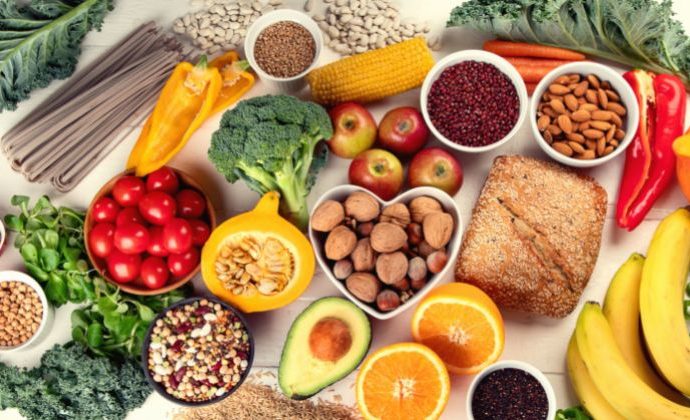
There is no single ‘Parkinson’s diet’ that suits everyone. However, research consistently suggests that a Mediterranean-style eating pattern, built around minimally processed foods, plenty of plant foods and healthy fats, supports overall health and may help some Parkinson’s symptoms.
A Mediterranean-style pattern typically includes:
- Plenty of vegetables (especially leafy greens) and fruit (including berries)
- Legumes (lentils, chickpeas, beans) and whole grains (oats, barley, wholegrain bread, brown rice)
- Nuts and seeds
- Olive oil as a main added fat
- Fish regularly (including oily fish), plus lean poultry as desired
- Dairy in moderation (if tolerated)
- Limiting ultra-processed foods, deep-fried takeaway, and high-added-sugar snacks/drinks
- Keeping red/processed meats to smaller amounts
This way of eating is naturally higher in fibre and protective nutrients. It’s also linked with better heart health and may support the gut microbiome, which is increasingly recognised as relevant in Parkinson’s.
If you like having simple “guideposts”, a Mediterranean approach generally means most foods are everyday foods, with highly processed “treat foods” kept occasional. Some Mediterranean frameworks suggest limiting treat foods to a handful of servings per week and keeping deep-fried takeaway infrequent. The exact numbers aren’t as important as the pattern: more whole foods, less ultra-processed.
You may also hear about approaches like ketogenic diets or intermittent fasting. These can be complex to sustain and may not suit people who are at risk of weight loss, constipation, low blood pressure, or medication timing difficulties. For many people, the biggest gains come from improving the basics first: more vegetables, legumes, whole grains and healthy fats, and fewer ultra-processed foods.
Gut health and constipation: start with fibre + fluid
Constipation is very common in Parkinson’s and can significantly affect comfort, appetite and quality of life. It can also affect medication absorption in some people. A helpful starting point is aiming for 25–30 grams of fibre per day, increasing gradually over a few weeks.
Fibre does more than “bulk things up”. When gut bacteria ferment fibre, they produce short-chain fatty acids (SCFAs). SCFAs help support the gut lining and may play a role in inflammation and metabolism. Parkinson’s is associated with changes in the gut microbiome (sometimes called dysbiosis), which is one reason gut-friendly eating patterns are getting so much research attention.
- Soluble fibre (helps soften stool): oats, barley, legumes, fruit and vegetables
- Insoluble fibre (adds bulk): whole grains, nuts/seeds, vegetable skins
- Fluids matter: if you increase fibre without enough fluid, constipation can worsen
- Movement helps: gentle activity can support bowel motility
People often ask about probiotics. Evidence in Parkinson’s is still emerging, and there isn’t one probiotic that’s right for everyone. If you do trial a probiotic, consider trying one product at a time for a set period (for example, up to 3 months), track bowel changes and symptoms, and let your Parkinson’s team know especially if you notice a change in how your medication seems to work.
If you’re doing “all the right things” (fibre, fluid, movement) and constipation persists, it may be worth discussing other causes with your care team—such as pelvic floor coordination problems (sometimes called dyssynergic defecation). A physiotherapist with pelvic floor experience may be able to help.
Levodopa, protein and meal timing
For some people, protein-rich meals (meat, fish, eggs, dairy, legumes) can reduce or delay the effect of levodopa. This is because protein breaks down into amino acids that can compete with levodopa for absorption and transport.
- As a general guide, some people find it helps to take levodopa 30 minutes before a high-protein meal, or 60–120 minutes after.
- If you feel nauseated taking levodopa on an empty stomach, a small carbohydrate snack (e.g., toast or a cracker) may be better tolerated.
- Avoid taking levodopa with milk, as it contains protein.
- Rather than cutting protein out, aim for consistent portions and work with your clinician/dietitian if you’re considering a “protein redistribution” approach (more protein later in the day).
- Important: improving levodopa absorption may worsen dyskinesia for some people, this is another reason to personalise changes with your care team.
Not everyone experiences the “protein effect”. If you’re unsure, try keeping a simple diary for a few days (medication times, meals/snacks and symptoms) and discuss patterns with your Parkinson’s Nurse, neurologist or dietitian.
Some people also find that taking levodopa with a small carbohydrate snack (particularly a wholegrain option) reduces nausea and may help absorption. Very sugary foods and drinks can cause sharp blood sugar rises, which may leave some people feeling worse so aim for slower, steadier carbohydrate choices most of the time.
When gut symptoms may affect medication absorption
Sometimes, medication timing isn’t the whole story. Parkinson’s can slow the digestive tract, and some people experience gastroparesis (slow stomach emptying). This can leave medication “stuck” in the stomach longer than expected, leading to delayed or unpredictable symptom relief.
Consider raising it with your doctor if you have:
- Heartburn or reflux
- Nausea or vomiting (especially at night)
- Feeling full very quickly when eating
- Bloating or abdominal discomfort
- Reduced appetite or unexplained weight loss
- Large swings in blood sugar (for people with diabetes)
Your GP, neurologist or gastroenterologist can advise on assessment and management. In some cases, other gut conditions (such as bacterial overgrowth or H. pylori infection) may also be considered, particularly if symptoms are persistent.
Some people also find that allowing regular breaks between meals and snacks (for example, 2–3 hours between eating episodes, where practical) can support digestion. If you have significant bloating, pain, diarrhoea or constipation that doesn’t improve, ask your doctor whether further testing (such as breath tests) is appropriate.
Key nutrients to monitor (with your healthcare team)
Some vitamin and mineral deficiencies can mimic (or worsen) symptoms like fatigue, low mood, brain fog, balance issues and neuropathy (pins and needles). If you take levodopa long-term, talk to your clinician about periodic monitoring—often annually, or as advised.
- Vitamin B12, vitamin B6 and folate (B vitamins)
- Vitamin D (important for bone and muscle function)
- Iron and ferritin (if fatigue is an issue, or as advised by your clinician)
- Bone density: ask your GP whether a DEXA scan is appropriate for you
If you’re vegetarian or mostly plant-based
A plant-forward pattern fits well with Mediterranean-style eating. If you’re vegetarian (or mostly plant-based), it can help to be a bit more deliberate about a few nutrients—particularly if you’re also trying to time protein around levodopa.
- Protein: include protein-rich plant foods across the day (legumes, tofu/tempeh, nuts/seeds, dairy/eggs if included) and aim for consistent portions.
- Vitamin B12: discuss testing and, if needed, supplementation—B12 is harder to obtain from plant foods alone.
- Calcium + vitamin D: important for bone health (consider calcium-rich foods such as dairy, calcium-fortified alternatives, tofu set with calcium, and leafy greens).
- Iron and zinc: include legumes, nuts/seeds and whole grains; your GP can advise on testing if fatigue is an issue.
Supplements aren’t risk-free. Avoid high-dose supplements unless they are recommended for you. It’s usually best to correct documented deficiencies with guidance from your healthcare team.
Weight changes and nutrition support
Unintended weight loss is common in Parkinson’s and can happen for many reasons (reduced appetite, constipation, swallowing changes, nausea, higher energy use from tremor/rigidity or dyskinesia, and fatigue affecting meal preparation). If you notice ongoing weight loss, discuss it early with your GP or Parkinson’s team.
- Seek advice if you have unexplained weight loss, poor appetite for more than a couple of weeks, or difficulty eating enough
- Get support early if you have swallowing difficulties (ask about referral to a speech pathologist)
- If you experience compulsive eating or rapid weight gain (sometimes linked with impulse control issues on some Parkinson’s medicines), tell your clinician
- An Accredited Practising Dietitian (APD) can tailor advice to your symptoms, medications, weight goals and food preferences
A simple “start here” checklist
- Aim for a Mediterranean-style pattern most days: more vegetables, legumes, whole grains, nuts/seeds, olive oil; fewer ultra-processed foods and sugary snacks
- Support constipation with fibre (25–30 g/day) + enough fluid, and increase fibre gradually
- If you suspect food affects your medication, trial timing levodopa away from high-protein meals (with clinician guidance)
- Track weight regularly and raise concerns early
- Ask your GP about checking vitamin D and B vitamins (and other tests as relevant)
- If symptoms persist, ask for help—dietitians, Parkinson’s Nurses, GPs and allied health can all play a role
For more information, call Parkinson’s NSW InfoLine 1800 727 567
References
- Parkinson’s News Today: Parkinson’s diet and nutrition