

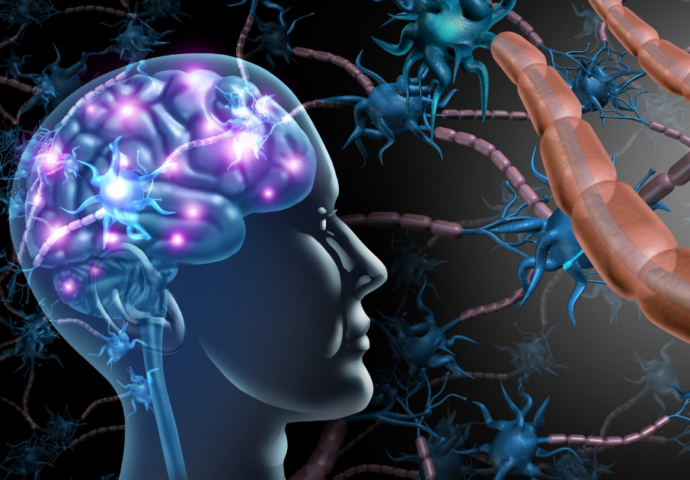
A groundbreaking new study reveals that blocking a single enzyme can stop the brain inflammation that drives neurodegenerative diseases.
Researchers from the Cleveland Medical Center have published a new study that identifies a potential treatment for Parkinson’s disease. They found that by blocking a particular enzyme, brain cells were protected and outcomes of Parkinson’s disease were improved. These findings suggest that drugs which are already in development for other uses could potentially be used to treat neurodegenerative conditions.
Parkinson’s affects over ten million people worldwide. While there are treatments currently available, they do not work to prevent the neurodegeneration underlying the disease.
The study, which was published in the peer-reviewed journal Redox Biology and was awarded the 2025 Cozzarelli Prize in Biomedical Sciences, found that inhibiting the 15-PGDH enzyme was powerfully neuroprotective because it controlled the production of reactive oxygen species that damage the brain.
Previous studies have used a 15-PGDH inhibitor to act as a powerful trigger for healing and cell growth, typically turning to it to study tissue regeneration and anti-aging applications.
In both a sample of Parkinson’s disease brain tissue from a human and three mice brain models with the disease, the researchers saw “…abnormally elevated levels of 15-PGDH.” However, when they were given the inhibitor, the enzyme shut down and resumed to normal levels.
Andrew Pieper, MD, PhD, the Morley-Mather Chair of Neuropsychiatry at University Hospitals and co-author of the study said in a release that “Both genetic and pharmacologic inhibition restored redox homeostasis, which protected mice from the neuroinflammation, neuronal cell death, and motor impairment normally seen in these models of Parkinson’s.”
Source:
Inc. magazine