

A monthly review of the top five issues raised in calls to the Parkinson’s NSW InfoLine team (call 1800 727 567).
- Vision Changes and Parkinson’s
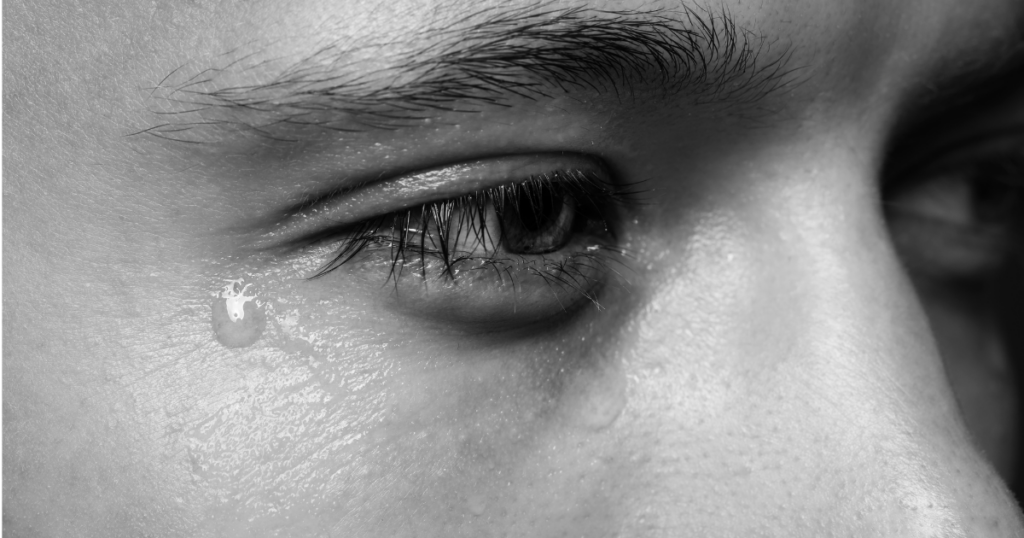
Vision changes are a common but often overlooked non-motor symptom of Parkinson’s. While Parkinson’s does not cause vision loss, it can affect eye movements, blink rate, and the way the brain processes visual information. This can lead to symptoms such as dry or watery eyes, blurred or double vision, difficulty reading, and problems judging contrast or depth.
Reduced blink rate is particularly common and can leave the eyes feeling dry, irritated, or gritty. Artificial tears may help, and consciously remembering to blink more often can make a difference.
If you notice any changes to your vision, the first step is to visit your regular optometrist to rule out common eye conditions. If Parkinson’s-related vision changes are suspected, your neurologist may recommend referral to a neuro-ophthalmologist.
Parkinson’s NSW also has a Vision and Parkinson’s fact sheet available on our web site, and our InfoLine team is always happy to provide further information and support.
- Parkinson’s and Employment
Remaining in the workforce while living with Parkinson’s can bring unique challenges. Many callers ask whether they should tell their employer about their diagnosis, particularly when symptoms such as fatigue, changes in handwriting, slower movements, or reduced dexterity begin affecting their work.
There is no single right answer, every workplace and every person is different. Understanding your rights, considering reasonable workplace adjustments, and seeking advice early can make a significant difference.
If employment concerns are causing stress, our InfoLine can provide guidance and connect you with appropriate supports.
- Should I Tell People I Have Parkinson’s?
Many people worry about how family, friends, colleagues, or their community will react to a Parkinson’s diagnosis. Fear of stigma or being treated differently can lead some people to keep their diagnosis to themselves.
While deciding who to tell is a very personal choice, many people find that sharing their diagnosis with trusted people helps them access practical support and reduces the pressure of trying to hide symptoms. Honest conversations can also help others better understand Parkinson’s and challenge common misconceptions.
If you’re struggling with this decision, our counsellors and InfoLine team are here to support you.
- Anxiety and the Fear of the Future
Anxiety continues to be one of the most common reasons people contact the InfoLine. Living with uncertainty can bring worries about the future, loss of independence, finances, relationships, or how Parkinson’s may progress. Anxiety can also make physical symptoms such as tremor, stiffness, and freezing feel more noticeable.
Remember that anxiety is a recognised non-motor symptom of Parkinson’s and there are effective ways to manage it. Counselling, exercise, relaxation techniques, and speaking openly with your healthcare team can all help. Parkinson’s NSW also offers counselling at no cost for people living with Parkinson’s and their carers.
- Sleep and Waking in the Early Hours
Many callers describe waking between 2 am and 4 am and struggling to get back to sleep. For some, this is linked to overnight muscle stiffness, cramping, pain, or the effects of Parkinson’s medications wearing off.
If early morning waking is becoming a regular problem, it’s worth discussing with your neurologist or Parkinson’s nurse. A medication review may help improve overnight symptom control and lead to better quality sleep. Good sleep hygiene, maintaining a regular bedtime routine, and managing caffeine and screen time can also make a difference.
If any of these topics sound familiar, our Parkinson’s NSW InfoLine team is here to provide further information, support, and referrals to help you live well with Parkinson’s.