


Having Parkinson’s is just one aspect of a person’s life story. We want to share more stories of the varied lives of people currently living with Parkinson’s and their carers.
Emily tells her story of helping to care for her grandmother
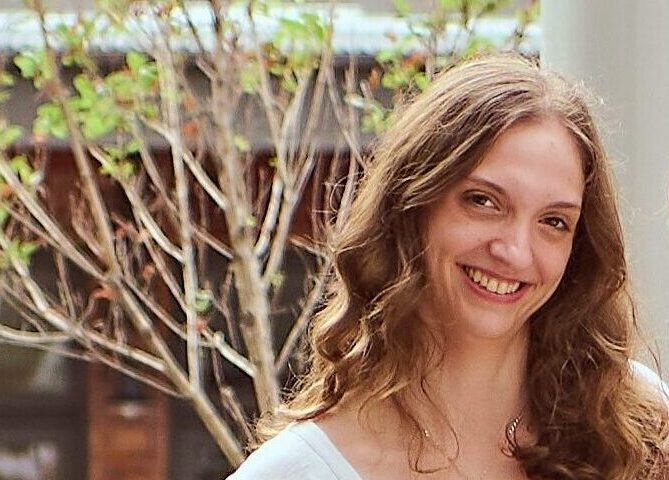
Emily Hausman, 23, grew up having a close relationship with her grandmother, enjoying shared activities such as walking in Centennial Park, baking, and going shopping together.
“We have always been really close,” says Emily of her grandmother, who is now 77 and lives in Sydney with her husband, near Emily and her family. “But about seven years ago she began having some issues with memory and just didn’t feel herself.
“She would always walk her dogs in Centennial Park and she began to lose confidence in doing that. She felt she was blanking out on locations and general directions sometimes. She was very nervous and was almost withdrawing from her interests because she was worried about what might happen. It was heartbreaking to see her like that, she had always been a big part of my life, picking me up from school, teaching me how to cook and drive.
“Although I was her granddaughter in a way I was also like the daughter-like figure she never had. My mum has always been very supportive of my relationship with my grandmother.”
When Emily’s grandmother visited her GP, she was referred to a neurologist, where cognitive issues were diagnosed.
“At that point I was still at school but I knew I wanted to step up to help her,” says Emily. “I wanted to do what we could together while we could, and when things like baking become too challenging for her, I would still bake and she would be with me and could enjoy the results.”
Emily’s grandmother was diagnosed with Parkinson’s just a couple of years after her initial visit to the neurologist, and Emily now acts as her grandmother’s secondary carer.
“She has her husband,” says Emily. “He is her primary carer, and decision maker, and I really respect that, but he is also older and has his own health concerns. His son, my uncle, helps where he can, but he has work and his family, too.
“I can do some of the things such as taking her to medical appointments and spending time with her. Lately she has been in hospital and I have been handling a lot of that. It is very hard for any one person to handle all the aspects of caring for someone, so I am pleased I can help.”
Emily is also in full-time work, in sales, and so has a busy life balancing work, family, caring and friendships.
“While my mother was there for me when these issues were developing with my grandmother, I really found it hard to find other people I could talk to about the situation,” says Emily.
“In the end, I decided to found my own support group and started with posts on Facebook and LinkedIn. Y-Care of Dementia came out of the responses. It’s a group for people in the 18-35 age range who have caring responsibilities for someone with cognitive decline, or are part of a family or a friend of someone with those issues.”
Emily began the group in December 2024 and it has grown substantially to nearly 80 members across Australia, featured in Australia’s top media editorials with monthly catchups held in various locations around Sydney and interstate as connections are built.
“We’ll do a fun thing together in a relaxed setting, like lawn bowling, and share a topic about experiences,” says Emily. “It’s important to have peer-to-peer conversations as carers are usually seen as the spouses or friends of older people, not younger people with study and work responsibilities as well.
“I really needed support and was feeling quite lonely. We can miss out on socialising and it’s important that our group gatherings provide a social aspect as well as the opportunity to talk with other people who understand the issues.”
For more information about Y-Care of Dementia, contact https://ycareofdementia.com.au/