

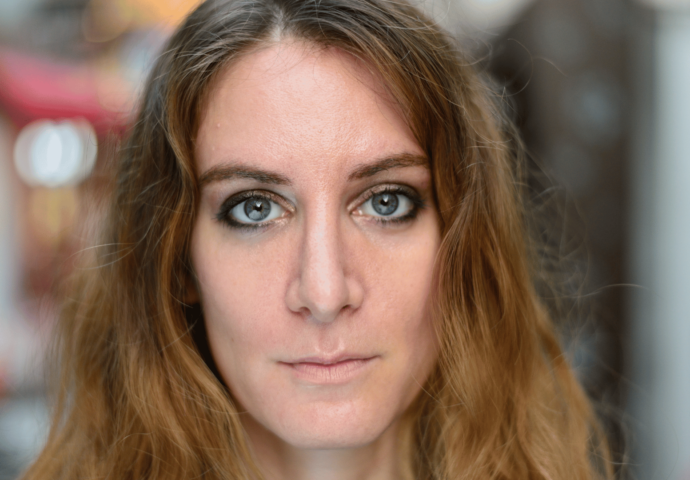
When someone is first diagnosed with Parkinson’s, one thing they often don’t expect was how much their facial expressions would change. It’s called masking, the term for when your face won’t move the way you want anymore.
Smiling, frowning, even raising eyebrows all become slower, stiffer, and much less automatic. Medically it’s called hypomimia, and it means people struggle to read your mood. Friends may ask if you are upset when you’re not, or family think you’re disinterested when you’re actually listening carefully. It’s frustrating, because you feel the same inside, but your face doesn’t show it.
Also, it doesn’t stop at your face. Your voice changes – it becomes much quieter and flatter, and sometimes you may also even sound bored when you’re not.
Speech pathologists also work on exercises that focus on moving your facial muscles deliberately.
These exercises include practicing broad smiles, surprise faces, and even silly ‘fish faces’. It feels odd at first, but over time it becomes easier to show emotion, especially if you are focused on it.
You can try ways to get feedback on what your face is doing by using your phone’s video feature, or a mirror. Sometimes this can be a bit confronting, but it helps to actually see what others see – or don’t see – when you think you are smiling or looking surprised.
Here’s what can help you to regain your expressive face:
- Set an exercise routine for every morning. Ask a family member or friend whether they notice a difference in your expressions after a month to six weeks of daily practice. (See exercise suggestions below).
- You can combine face and voice exercises to save time: Try speaking while smiling.
- Get feedback and support from your speech pathologist, family and friends.
- If you keep forgetting to practice use reminders (like a sticky note on the bathroom mirror) to prompt yourself.
- Accept limitations: Some days your face just won’t cooperate, especially if you’re tired or your medications haven’t kicked in. Learn not to beat yourself up and to rest when needed.
Here are some daily exercises to start your routine:
It’s best to check with your speech pathologist first as some of these exercises may not target your particular issues.
- Warm‑up: Gentle massage of cheeks, jaw, eyebrows for 1 minute.
- Eyebrow raises: Raise both brows as high as possible, hold 3‑5 seconds, relax. Repeat 5‑10×.
- Brow furrow / surprise face: Drop eyebrows (frown), then raise them into surprise expression. 5×.
- Wide smile and smile hold: Smile broadly (with lips closed or slightly open depending on comfort), hold for ~5 seconds, relax. Repeat 5‑10×.
- Lip puckering / “kissing face”: Pucker lips, hold, relax. 5‑10×.
- Cheek puffing: Puff cheeks with air, hold, release. Then alternate left/right. 5× each.
- Jaw mobility: Open mouth wide, hold, then gentle side‑to‑side jaw movement. 5×.
- Speak with expression: Read a short paragraph aloud, exaggerate facial expression (smile, raise eyebrows, use gestures). Emphasise loudness if you can.
- Cool‑down: Gentle smile, relaxed face, blinking and some slow deep breaths.
If you are noticing a loss of facial expression, know that you’re not alone and it’s not just in your head. There are things you can do, but it takes persistence. Get help from a professional – a speech pathologist or health professional who knows about Parkinson’s.
Make facial exercises part of your routine and try to practice exaggerating your expressions and voice volume in social situations. Most importantly, let those around you know what’s going on. It’s tough when your feelings don’t show on your face, but with a bit of effort (and some patience), you can still connect and communicate in meaningful ways.
Living with facial masking isn’t easy, but it’s possible to ‘unmask’ a bit and feel more like yourself again.
References:
- Parkinson’s Foundation — Facial Masking/Hypomimia overview. https://www.parkinson.org/understanding-parkinsons/movement-symptoms/facial-masking
- GHRS – Facial Masking in Parkinson’s, including treatment and physical therapy. https://ghrs-group.com/news/facial-masking-in-parkinsons-disease
- APDA — Limited Expressions: Facial Masking & PD. American Parkinson Disease Association
- Stanford Parkinson’s Community – Speech/Voice Exercises. https://med.stanford.edu/parkinsons/living-with-PD/speech-exercise.html
- HypomimiaCoach pilot study. https://arxiv.org/abs/2410.09772#:~:text=To%20investigate%20this%2C%20we%20developed%20HypomimaCoach%2C%20an%20Action,for%20hypomimia%20detection%20and%20rehabilitation%20in%20Parkinson%27s%20disease.